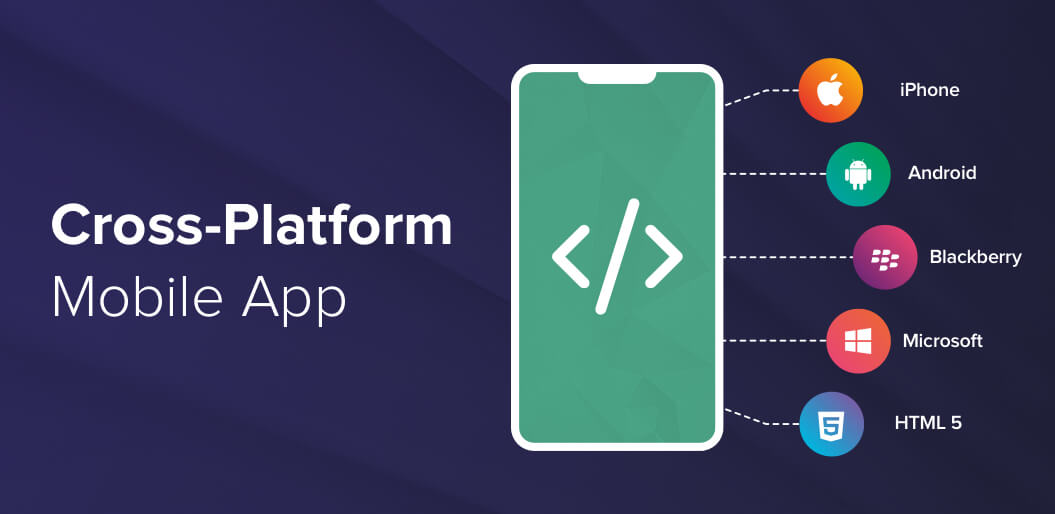
Build mobile applications for Android and iOS with a shared codebase, designed around your business goals, customer experience and operational needs.
Customers expect convenient digital experiences, while businesses need
applications that support real operational goals. VBageTech helps
businesses plan cross-platform mobile applications around their users,
essential features and business workflows.
Whether you are introducing a new digital service, improving customer
interactions or simplifying an existing process, the right app strategy
starts with understanding the problem rather than choosing technology first.
Cross-platform app development is an approach to building mobile
applications for multiple operating systems, such as Android and iOS,
using a shared codebase where the chosen technology supports it.
It can help businesses coordinate development across platforms while
maintaining a consistent core user experience.
The suitability of this approach depends on application complexity,
device-specific requirements, integrations, performance needs and
long-term maintenance plans.
A mobile application should solve a clearly identified business or
customer problem. Depending on the business model, relevant challenges
may include:
Not every problem requires a mobile app. A responsive website or web
application may be more appropriate when users mainly need information,
forms, service details or occasional access.
Plan an application that allows customers to access services, manage
relevant information and complete important actions through a clear
mobile interface. Potential features depend on your business model
and agreed requirements.
Organise appointment requests, service discovery, booking flows and
customer updates where these functions support your operational needs.
Integrations with calendars, payment providers or other systems must
be assessed individually.
Support selected internal workflows through mobile access to relevant
information, task updates, forms and approved business systems.
Access controls and data handling should be considered during planning.
Review an existing application to identify usability problems,
outdated workflows, integration requirements and opportunities for
improvement before deciding whether to enhance, rebuild or replace it.
Application features should be selected according to user needs,
business priorities, technical feasibility and project scope.
Depending on the requirements, a solution may include:
These are potential capabilities, not a promise that every feature
is included in every project. Final deliverables are confirmed during
requirement analysis and project scoping.
Identify the intended users, the problem the app should solve,
the key actions users need to complete and the business outcome
the application is expected to support.
Define the initial feature set, user journeys, platform requirements,
integration needs and implementation priorities. Separate essential
features from those that can be introduced later.
Plan the user interface and develop the agreed application features
using a suitable technology approach. Design decisions should reflect
usability, platform requirements and the needs of the intended audience.
Check key workflows, application behaviour and supported device
configurations. Store submission requirements, accounts, approvals
and release responsibilities should be agreed before launch.
Review user feedback, fix issues and prioritise improvements as
business requirements change. Ongoing support depends on the
agreed maintenance and service arrangement.
A cross-platform approach may suit businesses that need Android and
iOS applications with substantially shared functionality and want
to coordinate development around a common codebase.
It may be worth evaluating when:
A dedicated app may introduce development, testing, release and
maintenance responsibilities that your business does not currently need.
The appropriate recommendation depends on the users, functionality,
budget, technical constraints and long-term product plans.
It is a mobile application development approach that uses a shared
codebase to support multiple operating systems, where the selected
framework and application requirements allow it.
Yes. A suitable cross-platform framework can support both Android and
iOS. However, platform-specific features, testing and adjustments may
still be required.
No. It depends on the application's purpose, required device features,
performance expectations, integrations and maintenance requirements.
Some projects are better suited to native apps or browser-based solutions.
Depending on the project, features may include user accounts, forms,
bookings, product listings, notifications, API integrations and
administrative workflows. The final feature set is defined during
project planning.
It may connect through suitable APIs and backend services. The existing
system must be reviewed to confirm integration options, authentication,
data access and any required backend changes.
Cost depends on the number and complexity of features, interface design,
backend requirements, third-party integrations, testing and ongoing
support. A reliable estimate requires an assessment of the project scope.
The timeline depends on the feature set, design requirements,
integrations, testing and release preparation. A project-specific
schedule should be established after the requirements are reviewed.
Yes, an existing application can be assessed for usability, feature
improvements, integration issues and maintenance needs. The appropriate
changes depend on the current architecture and project requirements.
Before investing in an application, identify what users need to do,
which problems the application will address and how it will fit into
your wider digital operations.
VBageTech can discuss your objectives, assess the potential scope and
help you evaluate an appropriate mobile solution.
Cross-Platform App Development for Business
What Is Cross-Platform App Development?
Business Problems a Mobile App Can Help Address
Cross-Platform Mobile App Solutions
Customer-Facing Applications
Booking and Service Applications
Business and Operational Applications
Application Modernisation
What Can a Cross-Platform App Include?
How VBageTech Approaches App Development
1. Business and User Assessment
2. Solution Planning
3. Interface and Application Development
4. Testing and Release Preparation
5. Maintenance and Improvement
When Is Cross-Platform Development Appropriate?
When Might a Mobile App Not Be the Right Choice?
Cross-Platform App Development FAQs
What is cross-platform app development?
Can one application support both Android and iOS?
Is cross-platform development suitable for every business?
What features can be included in a mobile application?
Can a mobile app connect to an existing website or backend?
How much does cross-platform app development cost?
How long does it take to develop an app?
Can an existing mobile app be improved?
Plan the Right Mobile Solution for Your Business
VBage Tech is a very varied and motley aggregate of web services that mean everything from web development to SEO. No matter how big or small your business is, or what you want to achieve with your digital marketing objectives.

We help companies accelerate innovation and build a better future by putting digital at the forefront of business strategies
